Food

food trends, health tips

Food

Unstuck 3: Why Forced Discipline Backfire

When Discipline Feels Like a Cage: The Monkey King’s Secret to Rituals That Free You Tired of fighting yourself to ‘be disciplined’? The truth is, the unconscious patterns that trap us long before external forces appear. Part 3 reveals how to turn rituals from cages into compasses The Parable: The Monkey King – Trapped by Unseen Chains Sun Wukong (孫悟空), the legendary Monkey King, wasn’t always oppressed by heaven’s rules. First, he was imprisoned by his own chaos. Wu Kong confuses rage and consumption with liberation, transformation and transcendence of limitation. Destroying, Stealing and Swallowing pills are easy; true transformation requires confronting his own demons. Result: The pills temporarily inflate his power, but amplify his recklessness → leading to greater punishment (the headband). His “bad behaviors” (anger, impulsivity, narcissism) felt like strength or super power. But they chained him to cycles of rebellion → consequence → rage. He couldn’t break free, not because he lacked power—but because he refused to see the imvisible cage. That’s when Buddha forced the golden headband onto his skull. Each “disobedience” triggered agony. The headband didn’t teach discipline—it replaced inner chaos with outer torture and punishment. Unstuck is a GabeeCulture Wellness series that motivates readers to break the chains of Why This Mirrors Your Struggle? The Modern Parallel of the “Headband” Trap Your Unconscious Rituals or Internet-infused Obsession over toxic “Productivity” and False Metrics of Success might actually lead to more destructive and harmful pattern of behaviors. Sun Wukong’s Habit/reflex Your Version The Cycle Raging blindly / Behaving erradicly – I’ll do/get whatever I want, whenever I want it. I don’ care about the consequences or hurting anybody. No body can stop me or “disobey” me. – Kicking, screaming or even threatening till I get exactly what I want.– Lashing out at loved ones (or anyone) when overwhelmed or when desires not met. Desires/Needs → irrational behaviors → rage → isolation → more rage Consuming emptiness – Scrolling for hours to numb anxiety instead of making the effort to talk to my partner or contact my friends for a nice conversation over dinner.– Investing time / money on endless “trending” online certification courses instead of taking the time to really build on new/existing skills you can stick with to build a meaningful and thriving career. Anxiety, emptiness or Lack of Self-awareness → Shame → exhaustion → more scrolling/wasting time and energy Grandiose denial – “I know the deadline is coming up, I’ll start tomorrow!” (while drowning and clueless on how to tackle the problem)– I’ve completed 90 days of Elon Musk’s daily routine! (and yet I am exhausted and hated every minute of it)– “It’s not my responsibility that the sales dropped 20% this quarter, this company only hires lazy and incompetent people. I am the only experienced person who knows what I’m doing” False hope, Vanity or lack of self-awareness → collapse → self-distrust The tragedy? Like Wukong, you might blame “the gods” (your job, your past, your brain, your parents, your co-workers)—notice how your own reflexes tighten the band and limit yourself from moving forward and growing. True rituals aren’t about consuming more “self-improvement” pills to chock your system.They’re about taming, slowly and gently, your chaos into creative acts, identifying (without being self-critical) or rediscovering your passions and strengths, (re)building new muscle memories and skills—one breath, one scribble, one choice at a time. Transition to Liberation Your rituals shouldn’t strangle—they should be your tools, your most intimate partners, your coach to lead you back to your authentic self, your path. Rituals forced by shame or external pressure don’t tame chaos—they breed rage, recentment or resignation. Here’s the secret the Wukong (and you) fail to recognize:The headband only loosens when you stop fighting yourself—and start listening and showing compassion to your weary heart. Why Your “Golden Band” Is Choking Your Spirit (Neuroscience of Oppressive Discipline) Ritual Framework: From Headband to Harmony (Three Rituals to Reclaim Your Rhythm) 🔥 Ritual 1: The Band-Loosening Breath 🌿 Ritual 2: The Wildness Inventory 🧵 Ritual 3: The Golden Thread Practice When Rituals Fracture: The Monkey King’s Mercy Protocol (For days you “fail”) Your New Liturgy: Rituals That Feel Like Wings Old Cage (Headband) New Freedom (Your Rhythm) “I must journal daily for 20 minutes” “It’s okay to journal only 5 minutes or extent it to a writing session when I feel inspired!” “Run 5K or fail!” “Skip when the wind beckons.” “Read 50 pages daily!” “Savor one sentence or a paragraph over a cup of coffee .” Next: Part 4 – The Temple in the Ruins: Finding Purpose When Progress Collapses When your rituals shatter? Part 4 teaches how to rebuild from debris—without self-betrayal or falling into abyss.” → [Link] More on Wellness

Unstuck 3: Why Forced Discipline Backfire Read Post »

Food
The surprising health benefits of heat

Harnessing Summer Heat for Health (Safely!)

Why Summer Heat Might Actually Boost your Health Is summer heat a health hazard to hide from – or a completely free, natural detoxing, strength-training (mental and physical) and immune-boosting environment we fail to embrace? My phone screams: National Heat Advisory. Day Three. June isn’t even over, but stepping outside feels like opening an oven. We’re sealed indoors, AC blasting, blinds drawn, plans cancelled. Survival mode. The only trip we managed to make was the freezer aisle of our local supermarket. To our surprise, most of the frozen treats were on sale. We snatched, with reflexes, 2 Ben & Jerry’s and 2 boxes of Popsicle. In the comfort of our living room couch, we watched the Club Word Cup, Inter Miami vs Porto. We watched World-class players, even Messi, battling it out in temperatures soaring past 90°F (32°C). Seeing them drenched in sweat, visibly fatigued far earlier than usual, was a stark reminder of heat’s undeniable power to drain us. It reinforced our “hide indoors” instinct. However, is heat really pure enemy? Interested in learning about anti-inflammatory super food: Check out: The Secret to Japanese Longevity: Protein-Packed Tofu Health Benefits of Heat While we flee the heat to avoid discomfort, others pay to sweat in hot yoga or saunas. Professional athletes even use heat training to improve performance and recovery. The key lies in a biological principle called hormesis. This is the idea that mild, controlled stressors can trigger beneficial adaptations, making us stronger. Exercise is hormetic (breaking down muscle to build it back stronger). Fasting can be. And yes, so is intentional heat exposure. Here’s what happens inside your body when you experience safe, controlled heat (like a sauna session or a warm bath): The Flip Side: The Drawbacks of Hibernating in AC While AC is a lifesaver during dangerous heatwaves, staying in a perfectly chilled temperature-controlled cocoon all summer long might have downsides: AC is essential for safety in extremes, but total avoidance of any warmth might leave us less resilient overall. Practical Ways to Use Summer Heat Wisely The Golden Rule: START LOW, GO SLOW, SAFETY FIRST. This is NOT about pushing limits on scorching days. Listen to your body intensely. Hydrate like it’s your job before, during, and after any heat exposure. Electrolytes (from food or drinks) are important if sweating significantly. Here’s how everyday people can incorporate beneficial heat exposure during typical (not advisory-level) summer days: Non-Negotiable Cautions: Safety Above All Else Heat illness (heat exhaustion, heatstroke) is serious and can be life-threatening. Prolonged or intense heat exposure can lead to heat exhaustion or heat stroke, especially if you push your limits or have underlying health conditions. Never ignore these signs: Dizziness, nausea, headache, rapid heartbeat, excessive fatigue, muscle cramps, confusion, or cessation of sweating.  Dehydration: Heat increases fluid loss through sweat, raising the risk of dehydration. Drink plenty of water and replace lost electrolytes. Listen to your body: STOP IMMEDIATELY, get to a cool place, sip cool water, and seek medical help if symptoms are severe or worsen. Gradual Adaptation: Acclimate slowly to heat exposure, especially if you are new to saunas, hot yoga, or heat training Who Should Avoid Intentional Heat Exposure (or Consult Their Doctor First): The Balanced Summer: Respect, Adapt, Thrive This heatwave forced me indoors, but it also opened my eyes. Summer heat doesn’t have to be solely an enemy to hide from. By respecting its dangers during extremes (using AC wisely!) and strategically incorporating short, controlled, gentle heat exposures during milder periods, we can potentially unlock surprising health benefits. Key Trade-offs Aspect Benefits Risks Heat Exposure Boosts thermoregulation, endurance Risk of heat illness if excessive AC/Fan Use Prevents heat stress, aids cognition Dryness, reduced heat adaptation We can build resilience against the heat itself, give our immune system a helpful nudge, support recovery, and maybe even emerge from summer feeling a bit stronger. It’s about learning from those heat-adapted athletes – not by pushing to their limits, but by understanding the principle: Controlled stress leads to greater strength. Let’s harness the warmth wisely and make this summer work for us. Popular Heat Practices and Their Benefits Practice Key Benefits Main Cautions Sauna Cardiovascular health, immune boost, relaxation Dehydration, heart conditions Hot Yoga Flexibility, stress relief, metabolism, mental clarity Overheating, hydration Heat Training Endurance, cardiovascular efficiency, thermoregulation Heat illness, gradual adaptation Incorporate heat exposure thoughtfully and safely to enjoy its health and performance benefits, especially during heatwaves or as part of a training regimen. What’s your relationship with summer heat? Have you tried any intentional heat exposure? Share your thoughts (and stay cool when needed!) with us! More on Wellness

Harnessing Summer Heat for Health (Safely!) Read Post »

Food

Unstuck 2: Breaking the spell of paralysis

When the Wall Feels Permanent: How to Move Forward (Even When you feel hopeless) Why ‘start small’ feels impossible when you’re drowning: When burnout isn’t a phase but your reality, micro-actions need anchors. Discover how to turn your breath, reaching out with a single email, or 10 minutes of gentle exercise into rebellion against hopelessness. The Parable of Yu Gong (an foolish old man): An old man named Yu Gong lived trapped between two towering mountains. Every journey took days as he climbed their relentless slopes. One morning, he picked up a shovel and declared: “I will move these mountains, stone by stone. People mocked him, saying it’s impossible, he would never move the mountains in his lifetime. Yu Gong replied: “My sons will continue. Then their sons. The mountains cannot grow, but our resolve can.” The universe, moved by his unwavering spirit, separated the mountains apart. Why This Matters to You Right Now:Yu Gong wasn’t naïve. He knew the mountains were immovable in his lifetime. His power wasn’t in the size of his action—but in his refusal to surrender to despair.→ Sound familiar? Continue reading Part 3 of Unstuck: Rituals for the Weary: Building Structure That Doesn’t Feel Like a Cage The Science of the Shovel: Why Tiny Actions Rewire a Paralyzed Brain When you’re drowning in unemployment, illness, or isolation, your nervous system isn’t lazy—it’s overwhelmed. Here’s why Yu Gong’s “one shovel at a time” philosophy is backed by neuroscience: 🔬 The Neuroplasticity Revolution 💔 Why “Just Start!” or “Just Do it!” Feels so Impossible or even cruel When You’ve been stuck for an extented period of time If Your Mountain Is… Start With a “Shovel” (5% Action) Unemployment • Open your résumé file. Don’t edit—just stare at it for 60 seconds.• Write one skill you’re proud of on a sticky note.• Update just 1 line of your resume Crushing Fatigue(e.g., can’t workout) • Stand up & stretch your arms toward the ceiling and count to 10.• Walk to your mailbox & back (no further).• Do a 10 minutes walking exercise Lost Joy(e.g., abandoned music/art/reading) • Play or just listen to 30 seconds of a song you loved at 16.• Read one paragraph slowly in the morning. Isolation(e.g., havent been in touch with friends for a long time) • Scroll through old photos. Smile at one memory.• Text a friend: “Saw [thing] and thought of you, when are you free to have a quick chat?” The Bridge: From Ancient Wisdom to Modern Healing Yu Gong’s secret wasn’t his strength—it was his faith in the cumulative power of showing up. Modern therapy agrees: 🌱 3 Rituals to Turn Your “Shovel” into Sacred Action (Blending Somatic Therapy, Zen Buddhism & Compassion-Focused Science) Your Toolkit: When the Shovel Feels Heavy ❤️🩹 The Permission Slip Protocol (From Compassion-Focused Therapy) ✨ The “Done List” Altar Closing: The Universe is Listening In Yu Gong’s story, the gods didn’t move the mountains because he was strong—but because his commitment was absolute. Your “gods” are your own neurochemistry, your spirit, your ancestral resilience. They respond to consistency, not heroics. Your mountain isn’t your enemy. It’s your teacher. And your shovel?It’s your declaration that you’re still alive. Next: Part 3 – Rituals for the Weary: Building Structure That Doesn’t Feel Like a Cage “Struggling to keep going after starting? Part 3 reveals how to turn discipline into devotion.” → [Link] Why This Flow Works Blends evidence + soul: Every tool has therapeutic and spiritual roots. Myth → Science → Ritual: Uses a timeless story to validate the reader’s struggle, then grounds it in biology and actionable grace. Honors the depth of pain: Doesn’t trivialize suffering (“just do something small!”). Instead, frames tiny actions as spiritual defiance. More on Wellness

Unstuck 2: Breaking the spell of paralysis Read Post »

Food
A close-up shot of a hand holding a vintage compass against a natural background.

How Your Values Drive Daily Choices: A Practical Guide

What Values Really Look Like: From Abstract Ideas to Daily Actions Values aren’t lofty ideals reserved for philosophers—they’re the quiet drivers of your everyday choices. When you’re stuck, understanding what values look like in practice can turn vague inspiration into actionable clarity. Here’s how they show up in real life: Lack of Motivation? Check out our Unstuck Series to rekindle your passion, identify your goals and get back on track again. Click link to read Part 1: How Identifying Values Help Goal-Setting. 🧭 1. Values as Behavioral Anchors Values translate into consistent actions, especially when life gets messy: ⚖️ 2. Values as Decision-Making Filters When you’re unsure what to do, values cut through the noise: 💖 3. Values as Emotional Signals Your emotions often reveal whether you’re honoring or betraying a value: 🔍 4. Values in Mundane Moments Values don’t just guide big leaps—they shape small, daily rituals: Value What It Looks Like (Daily Action) What It’s NOT Gratitude Texting a “thank you” for no reason. Forcing a journal entry. Courage Asking a “dumb” question in a meeting. Avoiding all risk. Curiosity Googling how something works after a movie. Scrolling mindlessly. 🌱 5. When Values Clash (and How to Spot It) Feeling paralyzed often stems from conflicting values: ❓ “Is This Really My Value?” Checklist A value isn’t just what you admire—it’s what you consistently act on. Ask: Reflection Exercise: Spot Values in Your Week Look back at the past 7 days: 💡 Key Insight: Values aren’t about being “perfect.” They’re about recognizing what makes you feel whole—and nudging your choices 1% closer to them. When actions align with values, motivation isn’t forced; it flows 168. Next in The Unstuck Series: Part 2: The Gentle Art of Building Momentum (When Motivation Won’t Show Up) ✨ Your Turn: Pick one moment this week where you felt deeply satisfied or deeply frustrated. Ask: “What value was at play here?” Name it. Then, do one tiny thing to honor it tomorrow. More on Wellness

How Your Values Drive Daily Choices: A Practical Guide Read Post »

Food

Unstuck 1: Why Your Goals are Short-Lived?

Why Your Goals Feel Empty and Short-Lived? (And How to Fill Them With Meaning) The Unstuck Series: Part 1. Why “just do it” fails when you’re truly stuck: Your goals lack the one thing that makes effort feel alive. Learn how to find your authentic “why” – and finally move forward without burning out. You know the feeling: You should want to chase that promotion, run that 5K, or finally declutter the garage. But the spark just isn’t there. You’re not lazy—you’re lost. The problem isn’t a lack of goals. It’s a lack of alignment with what truly moves you. Fatigue, pain, swelling and even brain fog. Here’s how taking steps toward reducing it and boost your vitality. The Missing Link: Why Goals Without Values Fail When we set goals disconnected from our core values, they become burdens, not inspirations. Research reveals why: Values are the compass. Goals are the destinations you choose because the compass points there. The Science of “Why”: How Values Rewire Your Brain Neuroscience confirms that values aren’t fluffy concepts—they’re neural fuel: How to Find Your Compass: Practical Steps Stop asking: “What should I achieve?”Start asking: “What makes me feel alive?” Use these prompts to uncover buried values: Values aren’t what you do; they’re how you behave on the way to doing it. From Values to Goals That Stick: A Simple Framework Found your value? Now build a goal around it: Value Weak Goal Value-Aligned Goal Health “Lose 10 lbs” “Walk daily to feel strong enough for hiking trips” Creativity “Post art online” “Spend Saturday mornings painting for joy, not likes” Connection “Text friends more” “Host a monthly game night to deepen friendships” Key: Tie every goal to: Red Flags Your Goals Are Value-Disconnected Watch for these signs: If these sound familiar, pause. Revisit your “Why” 9. Start Small, Start Now Don’t overhaul your life today. Pick one value (e.g., Curiosity). Then: Values aren’t achieved; they’re lived moment by moment. Next in The Unstuck Series: Part 2: The Gentle Art of Building Momentum (When Motivation Won’t Show Up) 🔍 Reflection Corner:Grab paper. Finish this sentence:“If I weren’t afraid of failing, I’d spend more time ______ because it makes me feel ______.”The blank? That’s your value talking. Listen. More on Wellness

Unstuck 1: Why Your Goals are Short-Lived? Read Post »

Food
Origin of McDonad's Fillet O Fish

How the Filet-O-Fish Saved McDonald’s on Good Friday

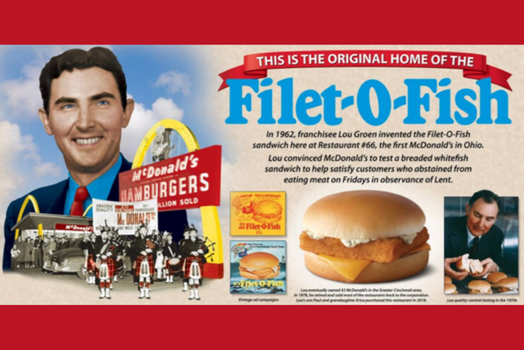
How the Filet-O-Fish Saved McDonald’s on Good Friday The surprising link between Catholic tradition and fast-food history How the Filet-O-Fish Won Good Friday In the early 1960s, McDonald’s franchise owner Lou Groen noticed a recurring problem in his Cincinnati restaurant: sales dropped sharply on Fridays, particularly during Lent. At the time, Catholic dietary rules required abstaining from meat on Fridays, and many customers avoided burgers. Interested in learning more about anti-inflammatory super food: Check out: The Secret to Japanese Longevity: Protein-Packed Tofu Groen proposed a solution: a breaded fish sandwich. Meanwhile, McDonald’s founder Ray Kroc developed his own meatless alternative, the “Hula Burger,” made with grilled pineapple and cheese. In 1962, the two sandwiches were tested on a single Friday—reportedly Good Friday, a key day of abstinence for Catholics. The Filet-O-Fish dramatically outsold the Hula Burger, securing its place on the national menu by 1965. The sandwich became McDonald’s first non-burger menu addition. Today, it remains closely tied to Lent: 25% of annual Filet-O-Fish sales occur during the 40-day season, with some restaurants selling hundreds on Good Friday alone. Fun Fact: The original sandwich included cheese, but it was later removed to emphasize the fish. Meatless Fridays: A Tradition Spanning Centuries The practice of avoiding meat on Fridays, particularly Good Friday, dates to the earliest days of Christianity. Early roots: Modern shifts: The Filet-O-Fish’s rise coincided with these traditions, offering a convenient fast-food alternative for observant Catholics. Why Fish? More Than Just a Loophole Contrary to popular myths, the Church’s allowance of fish was not designed to boost the fishing industry. Theologians viewed fish as a humble food tied to scripture, such as the miracle of the loaves and fishes. Medieval classifications also separated “cold-blooded” fish from land animals, which were associated with feasting and indulgence. The Filet-O-Fish, while a modern invention, taps into this ancient symbolism. Its success highlights how religious practices can shape—and be shaped by—cultural trends. More on Wellness

How the Filet-O-Fish Saved McDonald’s on Good Friday Read Post »

Food
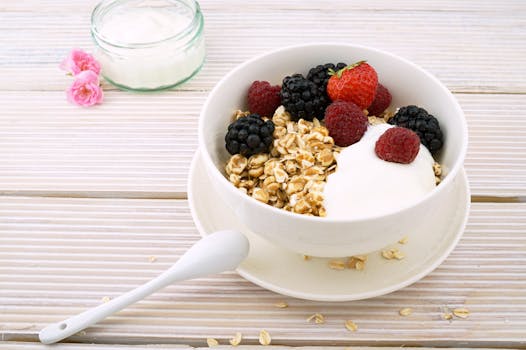
Delicious granola bowl topped with fresh berries and yogurt, perfect for a healthy breakfast.

Why Does French Yogurt Taste so much Better…and Healthier?

Why Does French Yogurt Taste so much Better…and Healthier? Our recent trip to Paris reminded me how real yogurt should taste. Here’s why the French version wins—and what we’ve learnt aligns with a growing hunger for cleaner food. Last September, in a busy Parisian supermarket in Le Marais, I rediscovered a love I’d forgotten: French yogurt. A simple but profound realization: this was what yogurt was supposed to taste like. The plain, store-brand variety we picked up was creamy without being heavy, naturally sweet without added sugar, and completely free of that faint artificial aftertaste I’d come to accept from American versions. Back home, our yogurt selection often felt uninspiring – either overly sweet or strangely artificial. But here, even the most basic and affordable option delivered the rich, clean and beautifully balanced flavors I remembered from living in France years before. More on Health and Food: Interested in learning about anti-inflammatory super food: Check out: The Secret to Japanese Longevity: Protein-Packed Tofu Ironically, many yogurt brands in American supermarkets are actually French-owned (think Danone, Yoplait). Yet the stateside versions are a far cry from their European counterparts. The difference isn’t just nostalgia—it’s a testament to how production methods, regulations and consumer behavior (shaped by industries and brands) can transform the same brand into two entirely different products. Two Brands we really enjoyed daily during our trip : This gap mirrors a growing movement in the U.S., led by voices like Robert F. Kennedy Jr. and his MAHA movement, to prioritize food quality over convenience (and profit?). While RFK isn’t campaigning for yaourt specifically, his mission to purge industrial additives from our diets underscores why French yogurt feels like a small act of rebellion—one spoonful at a time. The Art (and Science) of French Yogurt So what makes French yogurt so decadent? It starts with a method called pot-setting or cup-setting, where each jar ferments undisturbed for hours, letting cultures work their magic slowly. No rushing, no stirring—just quality milk transforming into something silkier, more balanced and yet more complex than anything mass-produced. “Pot-set” yogurt refers to a type of yogurt where the final product is a firmer, more solid texture due to being cultured and allowed to set in the container in which it is sold, according to BBC Good Food. This contrasts with other yogurts that may be stirred before packaging, resulting in a creamier, looser texture.  Compare that to most American yogurts, which are whisked in industrial vats, then pumped with pectin or gelatin to fake creaminess. Even ‘natural’ brands often rely on ultra-pasteurization, which kills the lively tang of traditional fermentation. The French prioritize texture and taste over shelf life, using whole milk and live cultures as nature intended. The result? Yogurt that’s rich without heaviness, tangy without bite—a balance American yoguart rarely achieve. Health Benefits: Beyond the Spoon This isn’t just about flavor. French yogurt’s simplicity delivers health perks most American versions can’t match: It’s a reminder that ‘healthy’ food shouldn’t need a nutritionist’s decoder ring—just real and HONEST ingredients. Where to Find It (or Make Your Own) In the U.S.: DIY magic (to avoid the pricy $ tag): With whole milk, a starter culture, and this reliable YouTube tutorial, you can replicate a little bit of Paris in your own kitchen 🙂 Closing Thought Food revolutions start with small choices. Choosing yogurt that’s crafted, not concocted, is a vote for flavor and integrity—one that France cast centuries ago. As Americans rethink what ‘healthy’ means, perhaps we’ll remember that the best foods don’t just nourish the body. They delight the senses, too. More on Wellness

Why Does French Yogurt Taste so much Better…and Healthier? Read Post »

Food
Woman holding a smartphone with Instagram login screen while relaxing indoors.

Instagram vs. TikTok: The Algorithm Race

Instagram vs. TikTok: Can Instagram Close the “Trend” Gap in 2025? Instagram’s CEO says the app can’t detect trends fast enough, so we did a little digging – The answer isn’t just about tech — it’s an algorithm arms race Meta need to catch up. When I reopened Instagram in 2025 after a long hiatus, I noticed significant changes. The interface had been revamped, and features were reorganized. Confused, I searched for tutorials but found few recent guides, indicating a shift in user engagement. Despite initial confusion, I stayed because Instagram felt more manageable than TikTok’s sensory overload. Then, I came across CEO Adam Mosseri’s insights on the 2025 algorithm overhaul, where he acknowledged Instagram’s struggle to spot trends as quickly as TikTok. This prompted me to dive into the data to understand why TikTok seems to always know what’s trending before Instagram. Why it matters:Trends drive engagement, which in turn drives ad revenue. For Instagram, falling behind TikTok in detecting viral moments risks losing its grip on Gen Z, who are flocking to TikTok for faster, fresher content. Driving the conversation:In a recent YouTube video, Instagram’s CEO Adam Mosseri acknowledged the platform’s struggle to identify trends quickly, citing TikTok’s algorithmic edge. He emphasized plans to improve Reels’ recommendation system to prioritize “what you’re interested in, not just who you follow.” The big picture:Social media is a battle of algorithms. TikTok’s real-time, AI-driven system spots trends in hours; Instagram’s more complex model, with separate algorithms for different features, historically took longer. However, Instagram is making strides to close this gap in 2025. How TikTok’s algorithm wins: Why Instagram lagged: Multiple algorithms:Instagram has separate systems for Feed, Stories, Reels, and Explore, which can slow down trend propagation compared to TikTok’s unified approach. Prioritizing relationships:Instagram focuses on content from accounts users interact with regularly, favoring familiarity over novelty. While this strengthens community bonds, it delays exposure to new trends. Stricter moderation:Instagram’s content review processes can slow down the adoption of new trends compared to TikTok’s more lenient “post first, moderate later” approach. Technical hurdles:Instagram’s legacy code, originally built for photos, has been retrofitted for video, which can be less efficient than TikTok’s video-optimized infrastructure. What’s Next for Instagram in 2025: Apart from what Mosseri shared on the interview, there are several updates aimed at improving trend detection and content recommendation: 1. Prioritizing original content:Instagram is rewarding original, creative content, which can help in spotting and promoting new trends. 2. Focus on watch time, likes, and sends:The top three ranking signals are watch time, likes per reach, and sends per reach. Likes are more important for content shown to followers, while sends are crucial for non-followers. 3. AI enhancements:Instagram is using AI to suggest niche content tailored to user preferences and to analyze image and video content beyond captions and hashtags for better recommendations, potentially speeding up trend detection. 3. Explore page improvements:The Explore page now focuses on highly engaging, trending content, helping users discover new trends faster. 4. Trial Reels:Creators can test Reels with non-followers before sharing, allowing them to gauge potential virality early. 5. Recommendation Reset feature:Users can reset their algorithms to start fresh, potentially helping them discover new trends more easily. The stakes:Instagram’s struggle to detect trends quickly isn’t just a technical issue—it’s crucial for maintaining relevance and user engagement. While TikTok’s algorithm excels at real-time trend prediction, its future in the U.S. remains uncertain due to regulatory pressures, creating an opportunity for Instagram to regain ground. What to watch: The Takeaway:Social media’s next phase will depend on balancing algorithmic agility with user trust. For Instagram, closing the trend gap means continuing to overhaul its systems and leaning into features that creators want—not just chasing competitors. As TikTok faces regulatory headwinds, the door is open for Instagram to make significant gains, but it must act swiftly and effectively. More on our Blog

Instagram vs. TikTok: The Algorithm Race Read Post »

Food
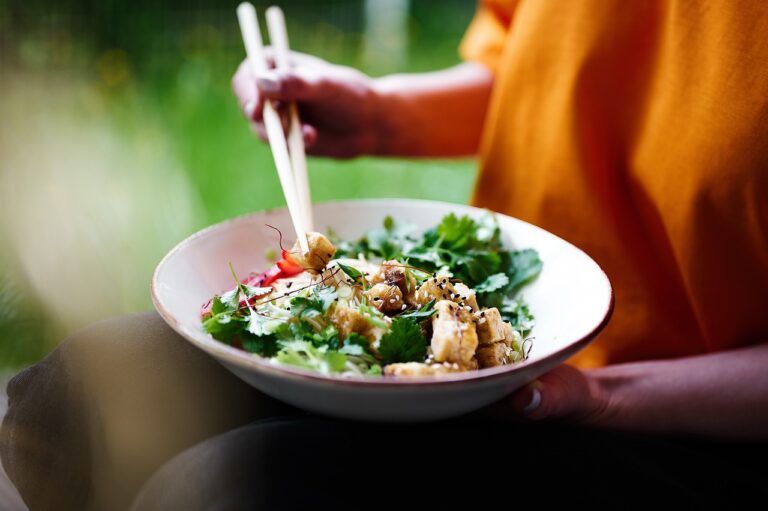
salad, asian, food, dish, meal, cuisine, delicious, tasty, kitchen, pasta, plate, tofu, peppers, healthy, coriander, salad, salad, salad, salad, salad, tofu, tofu

7 Healthy Habits to Tame Chronic Inflammation

7 Healthy Habits to Tame Chronic Inflammation and Reclaim Your Energy Chronic Inflammation are a major cause of mortality worldwide, contributing to a wide range of health issues — such as fatigue, pain, swelling and even brain fog. Here’s how taking steps toward reducing it and boost your vitality. The World Health Organization (WHO) warns that chronic inflammatory diseases—like heart disease, diabetes, and respiratory disorders—are the leading cause of death globally, responsible for 3 in 5 fatalities. For millions over 40, chronic inflammation silently fuels daily battles with pain, fatigue, and brain fog. The good news? Small lifestyle shifts can help you fight back. Interested in learning more about anti-inflammatory super food: Check out: The Secret to Japanese Longevity: Protein-Packed Tofu What is Chronic Inflammation? Chronic inflammation is your body’s immune system stuck in overdrive, mistakenly attacking healthy tissues over months or years. Unlike acute inflammation (like a healing sprained ankle), it doesn’t “switch off,” quietly damaging organs and disrupting energy. Left unchecked, it’s linked to arthritis, asthma, and even Alzheimer’s. What you Need to Know Good News: Your daily choices hold immense power. Research shows diet, exercise, and stress management can significantly lower inflammation markers in as little as 8–12 weeks. 7 Habits to Reduce Inflammation: Why It Matters: Reducing inflammation isn’t just about easing symptoms—it slashes risks of heart disease, dementia, and autoimmune disorders while restoring energy and mental clarity. When to Seek Help: Consult a doctor if symptoms persist despite lifestyle changes, worsen suddenly, or include unexplained weight loss, severe pain, or fever. Always pair habits with professional guidance. Common Misconception: “Cutting all carbs is necessary to fight inflammation.” Reality: Not all carbs are bad! Whole-food carbs like fruits, vegetables, and legumes are packed with fiber and antioxidants that reduce inflammation. Eliminating carbs entirely can backfire by depriving your gut microbiome of prebiotic fiber (which produces anti-inflammatory compounds) and triggering stress hormones like cortisol. The key is avoiding refined carbs (white bread, pastries) while embracing nutrient-dense, slow-digesting carbs like quinoa, berries, and sweet potatoes. Research shows balanced carb intake supports metabolic health and lowers inflammatory markers like CRP better than extreme restriction. The Bottom Line:  Chronic inflammation doesn’t have to control your life. Start with one habit—like adding leafy greens to meals or taking a daily walk—and build momentum. Your body (and brain) will thank you. More on Wellness

7 Healthy Habits to Tame Chronic Inflammation Read Post »